Curiosity
The freedom to follow a question because it is interesting, without needing to justify it as productive.
Out of the Office
This page is intentionally personal. Languages, travel, gardening, writing, history, and internet culture are the subjects I return to when there is no assignment attached. They give me places to explore, make things, notice change, and follow a question simply because it is interesting.
Language & Culture
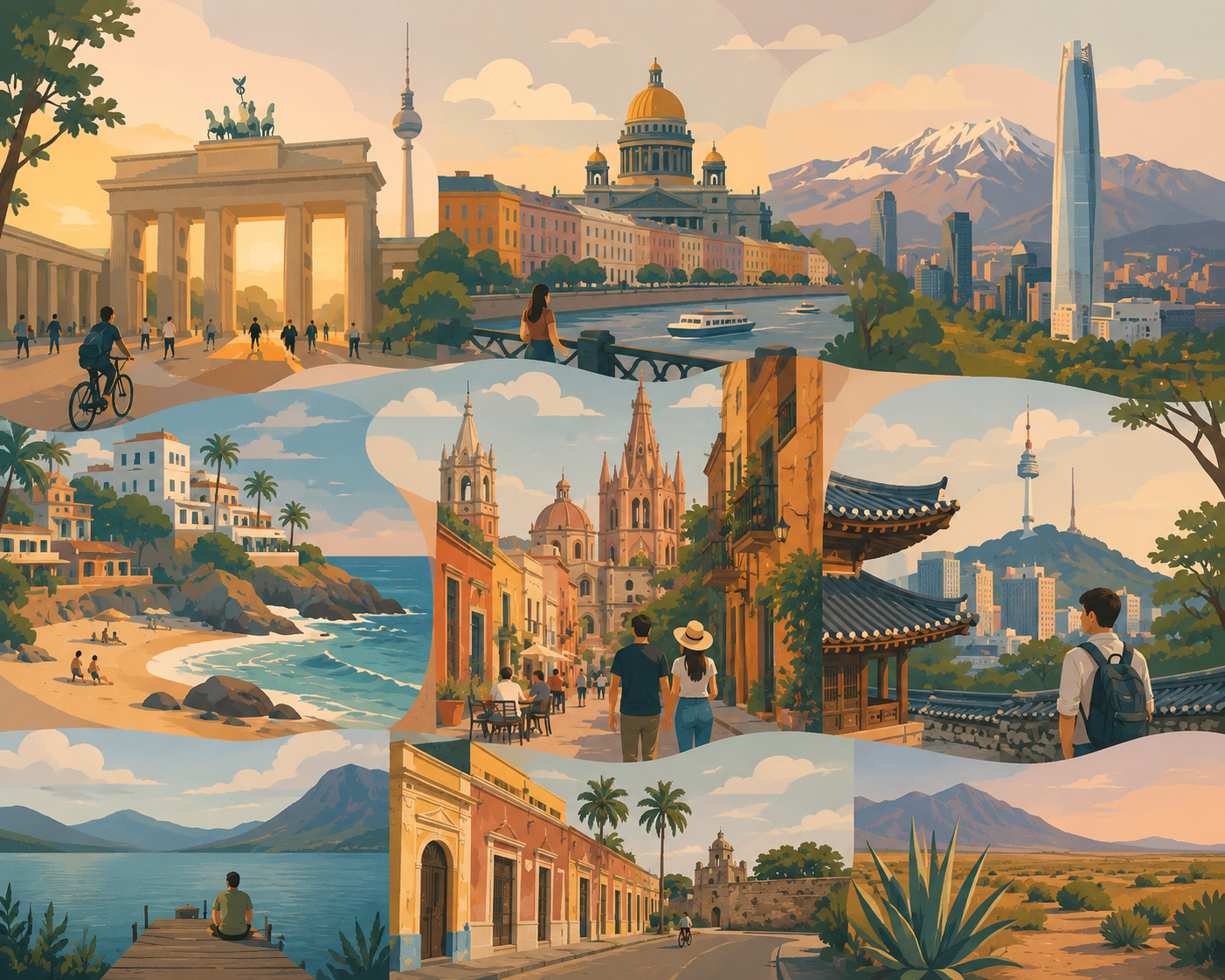
Languages have been one of the most persistent interests in my life. I enjoy the point where vocabulary stops being a substitution exercise and begins to reveal another way of arranging experience: what a culture names precisely, what it leaves implicit, and what can only be understood through context. Studying and using several languages has also made travel more rewarding because even a limited exchange can change a place from scenery into a human encounter.
Outside of work, I return to languages through reading, film, conversation, etymology, and the small discoveries that happen when two expressions do not line up neatly. I like learning why a phrase exists, how history survives inside ordinary words, and how humor changes across cultures. The pleasure is not in mastering a complete system; it is in continually finding more of it.
Gardening & Nature
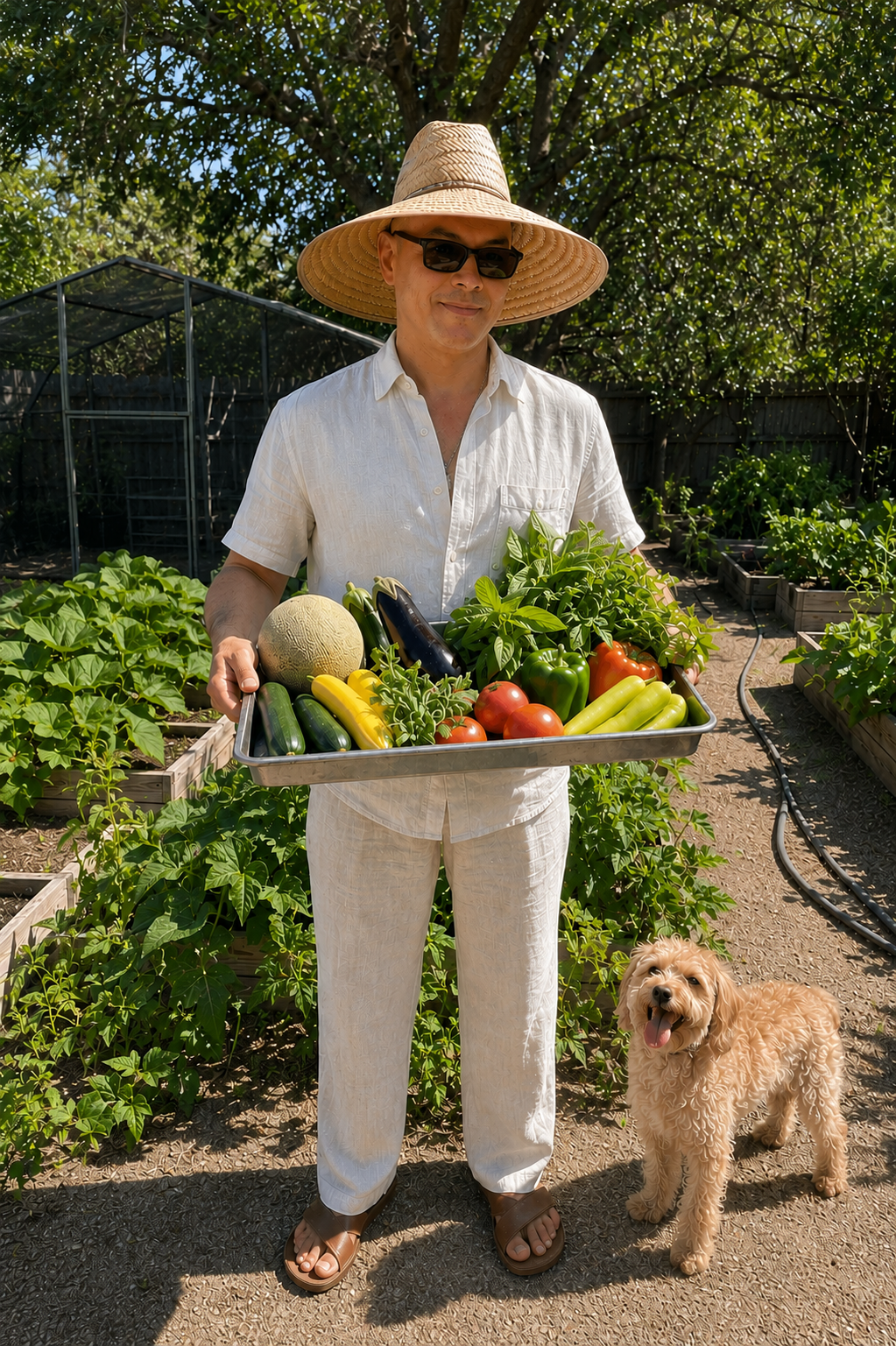
Gardening gives me a reason to pay close attention to a small piece of the world. I like the physical routine of watering, pruning, repotting, harvesting, and checking what changed overnight. A plant can look static until it suddenly flowers, bolts, wilts, attracts an unfamiliar insect, or produces something that was not there the day before. That pace is calming because it rewards observation without requiring everything to happen immediately.
I also enjoy that a garden never becomes completely controllable. Texas heat, humidity, soil, pests, light, and timing can overturn a plan, so I experiment, adjust, and try again. Some seasons produce abundance; others produce useful failures. The point is not a perfect garden. It is the ongoing relationship with living things, the satisfaction of learning their signals, and the pleasure of eating or sharing something I helped grow.
Kazakhstan & Apples
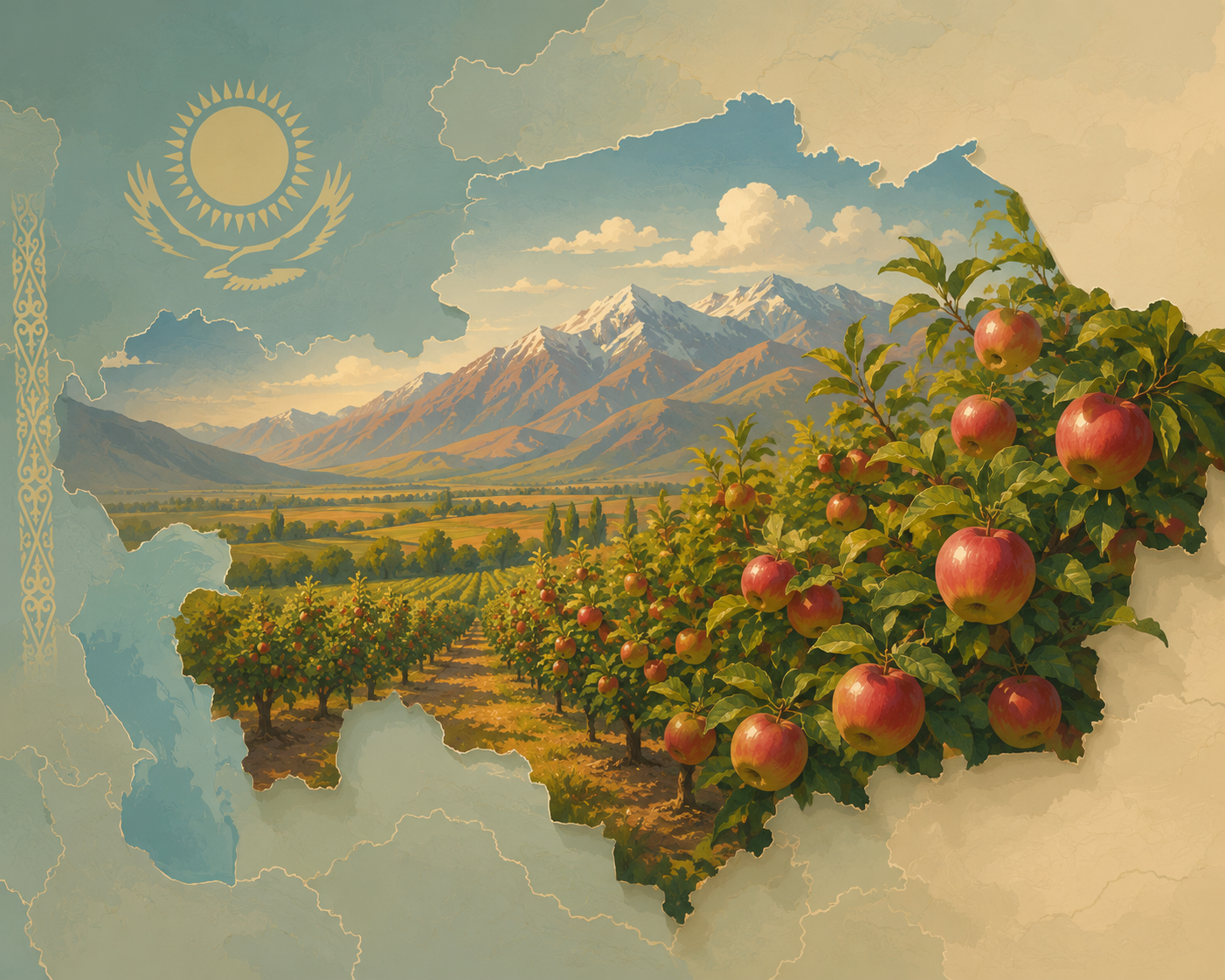
I am fascinated by the wild apple forests of Kazakhstan and by the fact that such an ordinary fruit carries an enormous geographic and human history. The apples in a grocery store connect back to forests near Almaty, long-distance trade, cultivation, selection, migration, and centuries of people choosing which qualities to preserve. A familiar object becomes a doorway into botany, language, empire, agriculture, and movement across continents.
This is the kind of subject I can follow for hours without needing it to become useful. I like tracing how the scientific name Malus sieversii, the city once known as Alma-Ata, and the popular idea of the “father of apples” intersect with a more complicated history. It reminds me that everyday things are rarely simple; they are often compressed stories whose larger systems become visible only after someone decides to look.

Writing & Learning
Writing is one of the ways I spend time outside of work. I write essays, memoir-based reflections, fiction, poetry, scenes, and notes that may never become finished pieces. Sometimes I begin with a memory or image; other times I begin with a question and write until I can see what I actually think. The appeal is not productivity. It is the private process of shaping language until an experience or idea becomes more precise.
Learning works the same way for me. I move between history, psychology, language, technology, culture, dreams, food, plants, and whatever else has caught my attention. I enjoy following connections across subjects and keeping the parts that change how I see something. A hobby does not have to become a credential or a side business to matter. Reading, researching, and writing are valuable because they keep the world larger than my existing knowledge of it.
Internet Culture & Memes
What I loved about early internet culture was the way it could be completely absurd and still say something serious about being alive. The web was full of deliberately awkward characters, badly compressed images, repetitive electronic music, improbable remixes, and jokes that became funnier because they made less sense each time they returned. The surface was unserious, but underneath it was often a recognizable response to loneliness, boredom, uncertainty, alienation, or the general bleakness of the world.
It also felt collective in a way that is difficult to reproduce now. People were participating in a technological revolution without necessarily thinking of it that way. A Java- or Flash-era animation, a looping EDM-inspired viral video, or a strange message-board phrase could move across the world before anyone had a reliable language for what “going viral” meant. The creators, viewers, remixers, and people quoting the joke in unrelated places all helped build it. You did not have to know who everyone was to feel that you were part of the same event.
The limitations of the technology became part of the humor. Early machine translation could turn an ordinary sentence into something surreal, and the mistake would become more memorable than the original meaning. Non-human figures were given exaggerated personalities, fears, desires, and social lives. Crude drawings, animals, food, objects, and imaginary creatures carried an oddly specific kind of humanity. They were ridiculous, but they were also vulnerable, dramatic, anxious, hopeful, or determined in ways that people recognized in themselves.
That combination mattered to me. The humor did not deny that the world could be frightening or disappointing; it created a small opening inside it. Repetition made the joke communal. Recognition made strangers feel briefly connected. Even the most disposable meme could become a signal that someone else had seen the same strange thing, remembered it, and understood why it was worth bringing back. In that sense, the early internet gave people enough hope and enough shared joy to keep moving forward.
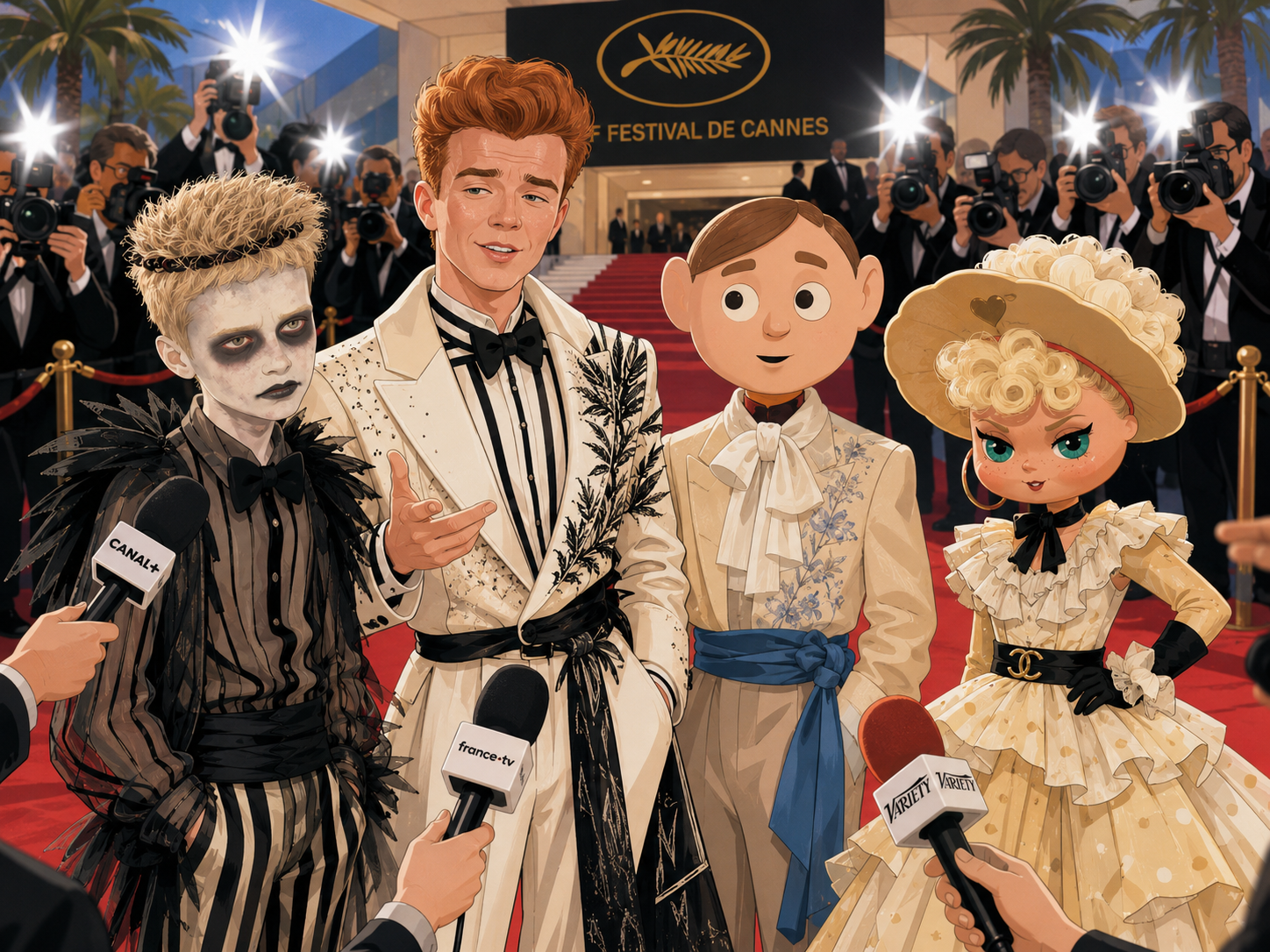
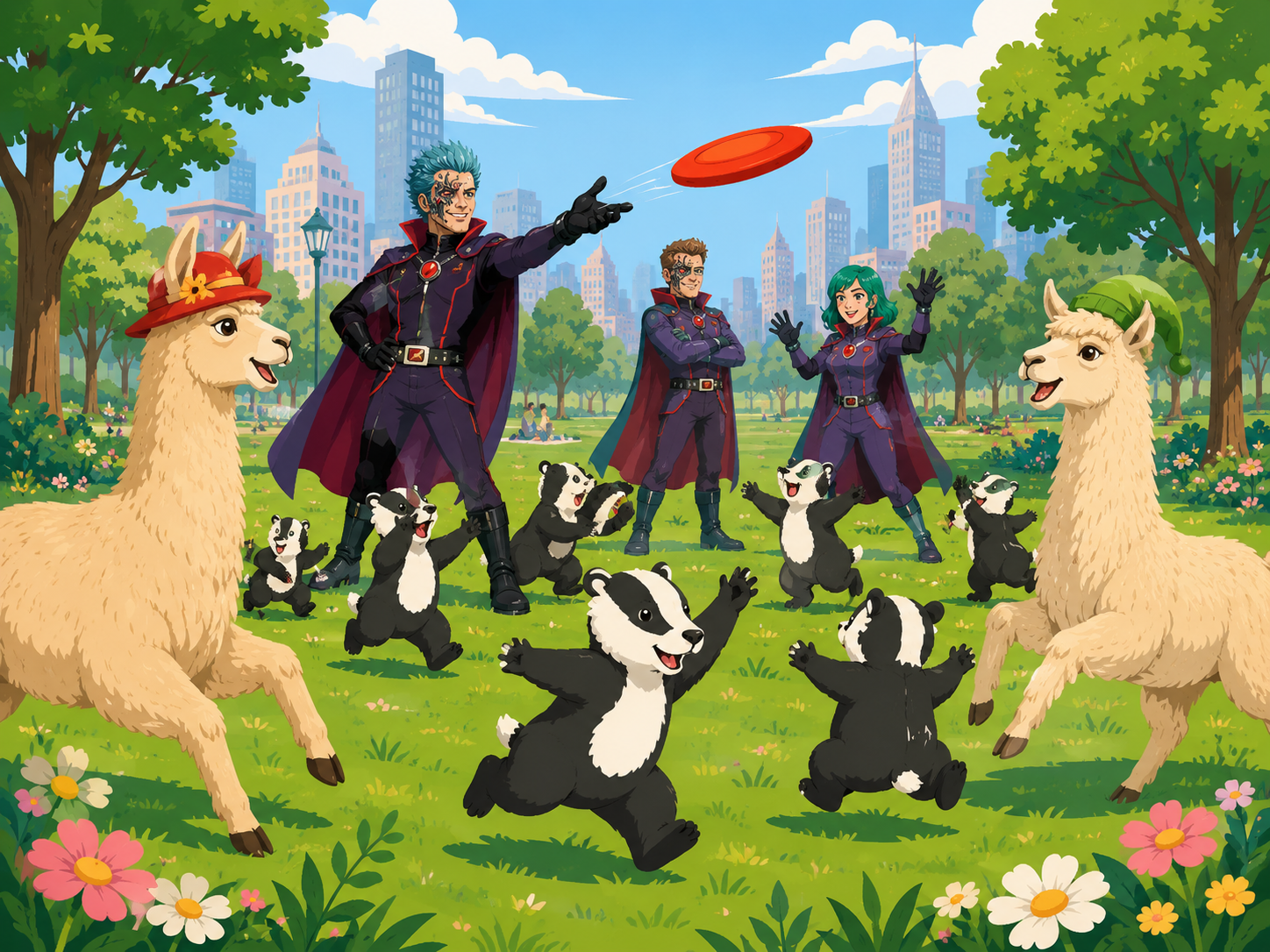
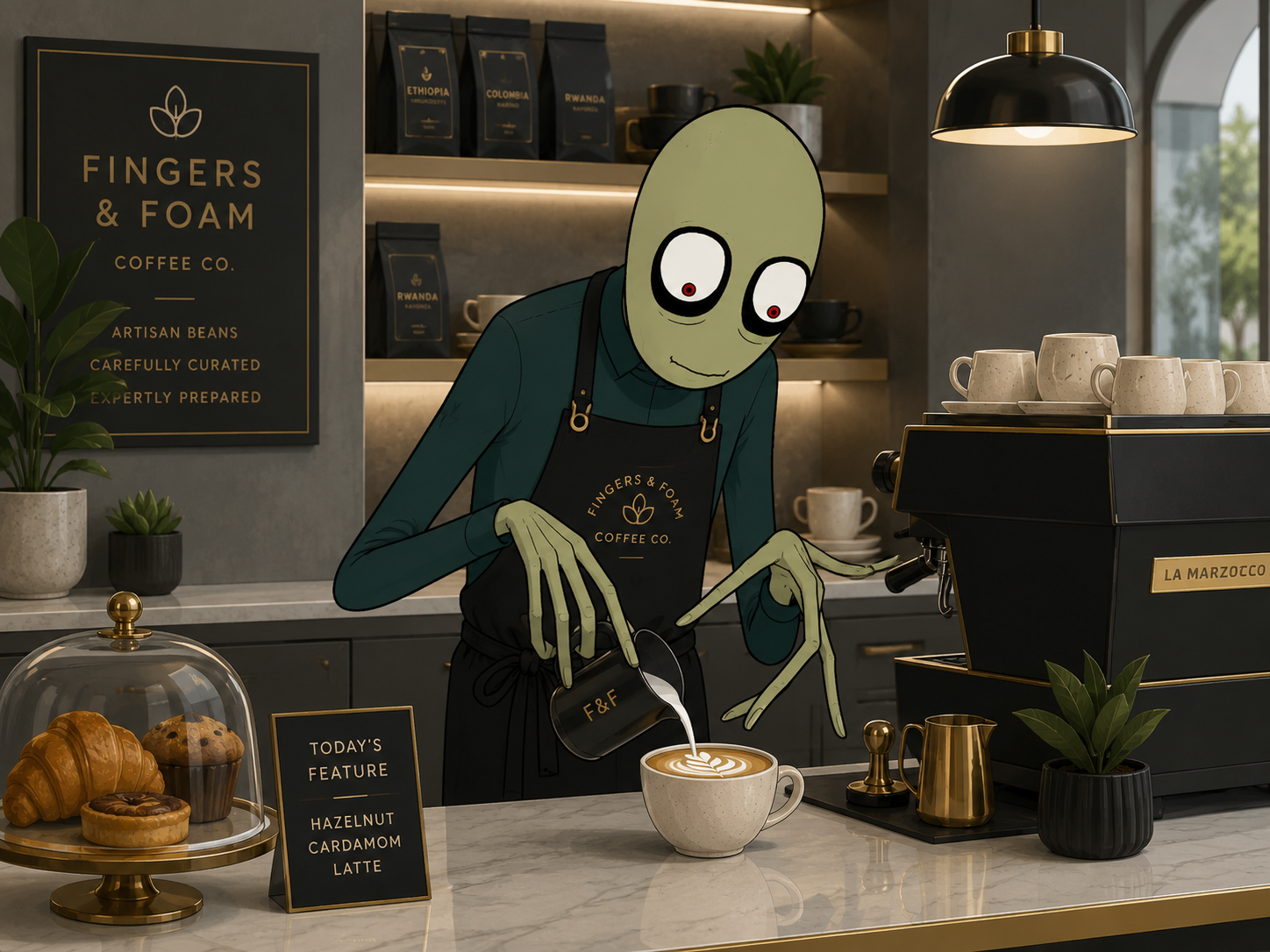
The images in this section continue that logic by placing familiar internet figures in settings that treat them with far more seriousness than they were ever meant to receive. A polished group portrait turns awkward digital memories into a formal cultural archive. A public park brings unrelated characters together as though they have always occupied the same world. A red-carpet scene gives viral figures the visual status of celebrities. The contrast is the joke, but it also reflects what online communities actually did: they took temporary, low-budget creations and gave them long lives through repetition, affection, reinvention, and collective memory.
Generative AI now makes it possible to revisit those figures in another form. For me, creating fantastical “where are they now” images is both playful and nostalgic. It does not replace the strange handmade quality of the early web; it gives those memories another place to go. Characters that once existed in a short loop, a badly translated line, or a low-resolution image can be imagined years later in parks, portraits, fashion shows, and other elaborate settings.
I like that continuity. The tools have changed, but the impulse is familiar: take something improbable, share it, alter it, and use it to make the world feel a little less closed. Internet culture at its best has always been a collective search for joy. These images are part tribute, part joke, and part reminder that even the most unserious artifacts can carry real history, real affection, and a surprising amount of hope.
What these interests give me
The subjects are different, but each gives me a reason to pay attention, remain curious, and keep making room for surprise.
The freedom to follow a question because it is interesting, without needing to justify it as productive.
A habit of noticing small changes, overlooked details, and what a place, plant, text, or person is actually showing me.
The satisfaction of finding language for an idea or experience that had previously remained vague.
A reminder that history, culture, nature, humor, and individual lives are always influencing one another.
The homepage connects these personal interests with my work in quality, documentation, systems, and information.